Paint Peeling Off Your Exterior Wall? Here's What Went Wrong
QUICK ANSWER: Exterior paint peels when it loses its grip on the wall, almost always because moisture got behind the film or the surface was never prepped to bond. The paint swells, cracks, and lets go, exposing bare substrate. Common triggers are trapped humidity, split caulk, clogged gutters, chalky or dirty surfaces painted over without cleaning, and coats applied to a damp wall. Fixing it for good means finding the water source, stripping the loose film, and prepping down to a sound surface before any new paint goes on.
You notice it from the driveway first. A corner of the wall where the paint has curled back and left a pale patch of bare surface. Pull a loose edge and more comes with it, sometimes in a sheet the size of your hand. It reads like the paint failed. Most of the time the paint is the last thing that failed, and something behind it or under it set the whole thing in motion months earlier.
On the Gulf Coast that something is usually water. Afternoon storms, saturated summer air, salt drifting in off the water, and sun that works on a wall all day add up to conditions few finishes shrug off. A repaint that ignores what caused the first failure just resets the clock on the same problem. Understanding why
exterior paint peels is the difference between a wall that holds for years and one that flakes again by the next rainy season.
What Peeling Actually Is
Peeling is a loss of adhesion. Paint is a film that grips the surface underneath it, and it only grips a surface that is clean, dry, and sound. When a dry painted surface takes on moisture, the substrate swells, the bond between film and wall breaks, and the paint loosens, cracks, and drops off over time.
That single fact explains most of what follows. Paint bonds to the wall, never to dirt, never to a glossy layer it cannot bite into, and never to water sitting between the film and the surface. Anything that gets between the coating and a sound substrate is a future peel waiting for a trigger.
The Moisture Behind the Wall
Water is the biggest single cause of exterior paint failure, and it rarely arrives from the direction people expect. It comes from behind the film as often as from the weather in front of it.
Failed caulk and open joints. Worn or split caulking at corners, trim joints, and window and door openings lets water slip in behind the siding. From there it pushes outward against the paint.
Gutters and drainage. Clogged or leaking gutters dump water down a wall instead of away from it, soaking the surface repeatedly until the film lifts.
Moisture from inside. Humidity generated in kitchens, bathrooms, and laundry rooms can migrate through a wall and press the paint off from behind, especially where ventilation is poor.
Ground contact. Siding that sits too close to bare earth wicks up ground moisture. Wood siding should generally clear the ground by at least 6 inches so it is not drinking from the soil.
In this climate, add the ambient load: humid air and frequent rain mean a wall that never fully dries before it gets wet again. That is why the surface should read below 15 percent moisture before primer touches it. Coating over a damp substrate seals water in, and sealed-in water is what eventually breaks the bond.
When the Prep Was the Problem
The second big cause is not the wall, it is what happened right before the last paint job.
Painting over dirt. A surface carrying grime, pollen, or salt film cannot form a strong bond. It has to be washed first, or the new coat is gripping the dirt rather than the wall.
Organic growth. Mildew and algae left in place keep growing under fresh paint and undermine it from below. They need a cleaner that kills the growth, not just a coat over the top.
Skipped primer or the wrong one. Bare and patched areas need primer to give the finish something to hold. A primer that is not compatible with the topcoat can peel as readily as no primer at all.
Unfilled cracks. Openings wider than a hairline let water into the wall. On stucco, hairline cracks under 1/16 inch take a flexible elastomeric filler that moves with the masonry, while wider ones need patching before anything is coated.
Chalking. As ultraviolet light breaks down the binder that holds pigment, it leaves a loose powder on the surface. Paint applied over chalk bonds to dust. Every trace has to wash off before priming.
TIP: Drag a dry hand across a faded wall. If it comes away dusty, the surface is chalking and needs a thorough wash before any coating. To check whether the existing paint is still sound, test adhesion in a 6 to 12 inch radius around a peeled spot before deciding how much to strip.
Heat, Sun, and the Florida Timing Trap
Even good paint on a clean wall can fail if it goes on at the wrong moment, and the Gulf Coast hands you plenty of wrong moments.
Heat blistering. Above roughly 100 degrees Fahrenheit, a film can skin over on top before it grabs the surface underneath. The trapped solvents and the poor bond raise blisters that later peel. Working the shaded elevations and following the sun around the structure keeps each coat on a surface cool enough to hold it.
Dew and quick rain. Latex needs time to set before moisture reaches it. Fresh paint wants at least 4 hours of dry time before dew settles or a storm rolls in, or the film can blister and lift. On days with afternoon storms, that window drives the whole schedule.
Salt air. Properties near the water lose finishes faster because airborne salt speeds the breakdown of the film. Acrylic latex carrying UV inhibitors and mildew resistance holds up to these swings, while older oil-based coatings grow brittle in sustained heat, then crack and flake.
Wiring behind brick and stone
New Stucco and Masonry: The pH Clock
Fresh masonry is its own peeling risk, and the fix is patience plus the right primer.
New stucco is highly alkaline when it goes up. Paint it too soon and the alkalinity burns through the color and eventually lifts the coating off the wall. Give stucco a minimum of 28 days to cure, then confirm its pH has dropped to 10 or below before priming. Bare masonry calls for an alkali-resistant masonry primer built to tolerate that high pH, not a general-purpose product. Skipping either the wait or the right primer is one of the more common reasons a brand-new wall starts shedding paint within a year.
WARNING: Do not paint over peeling or cracked paint, and never coat a wall that is still holding moisture. Painting over loose film locks in the failure and often returns an uneven texture, and recoating a damp substrate simply repeats the peel. Find and correct the water source first, strip back to sound material, and let the surface dry to spec before a brush touches it.
How a Repaint That Lasts Gets Sequenced
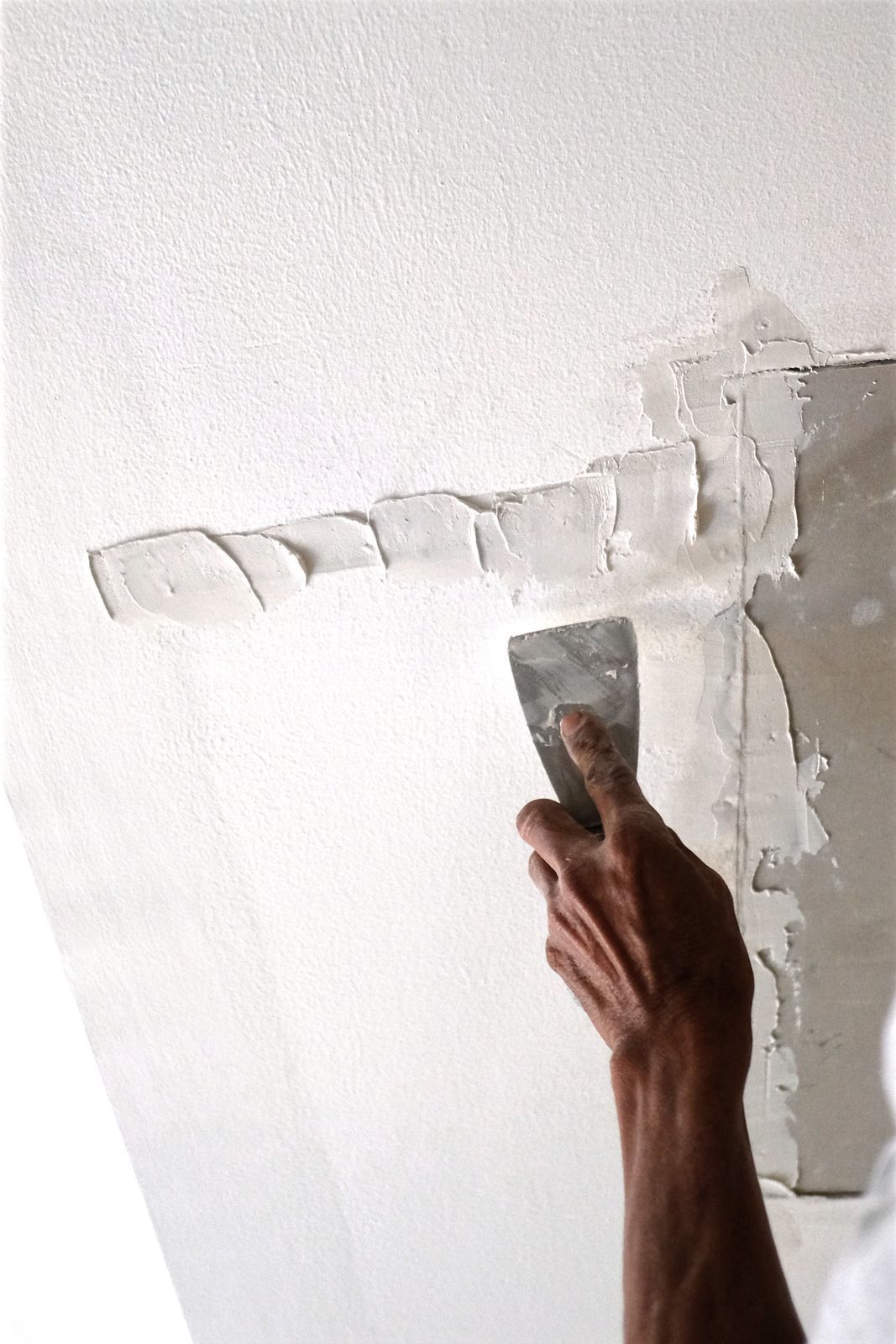
A durable exterior comes from order, not speed. The sequence is wash, scrape, sand, repair and re-caulk, prime the bare and patched areas, then apply the finish coats. Moisture readings and the forecast set the pace, because waiting out weather beats forcing a coat onto siding that has not dried.
Done that way, a coating chosen for this climate stretches its working life considerably. Homes here typically need repainting every 5 to 7 years, and honest prep is what keeps a wall at the longer end of that range rather than the shorter one. The paint on the can matters less than the surface it lands on.
Frequently Asked Questions
Frequently Asked Questions
Why does paint keep peeling on the same wall even after I repaint it?
That wall is holding moisture behind the film, usually from a leak, poor drainage, split caulk, or humidity with nowhere to escape. Until the source is found and corrected, every new coat sits on a damp substrate and fails the same way. The repaint has to start with the water problem, not the paint.
Can I just paint over the peeling paint to cover it?
No. Coating over loose or cracked film traps the failure underneath and usually leaves an unwanted texture, and the cracking tends to come back through the new paint. The loose material has to be removed and the edges feathered smooth so the fresh coat bonds to a sound surface.
How can I tell if my wall is too damp to paint?
The surface should read below 15 percent moisture before primer. Beyond a meter reading, look for the obvious signs: a wall that stays cool and dark after others have dried, condensation in the morning, or bubbling under existing paint. Recent rain, heavy dew, and high humidity all push a wall out of range until it dries.
Does the chalky residue on my siding cause peeling?
It causes the next coat to peel if it is not removed. Chalking is loose pigment left behind as ultraviolet light breaks down the binder. Paint applied over it bonds to powder instead of the wall, so the whole job needs a thorough wash until a dragged hand stays clean before priming.
How soon after rain, or in high humidity, can an exterior be painted?
The surface has to be dry to the touch with no visible moisture, and fresh paint needs at least 4 hours before dew or rain reaches it. In practice that means checking the wall and the forecast together, painting the shaded sides during the hottest part of the day, and stopping well before an afternoon storm.
A Finish That Holds Through the Storms and Summer Sun
Peeling paint is a symptom, and the wall is trying to tell you where water is getting in or where the last prep fell short. Reading that correctly, then washing, repairing, and priming the way the surface actually needs, is what turns a recurring failure into a finish that holds through the storms and the summer sun. If you would rather have someone walk the siding, trim, and stucco with you and name exactly what went wrong before recommending a fix, the owner-operated crew at Ed Staib Painting
will do that and lay out an honest plan through their contact page.